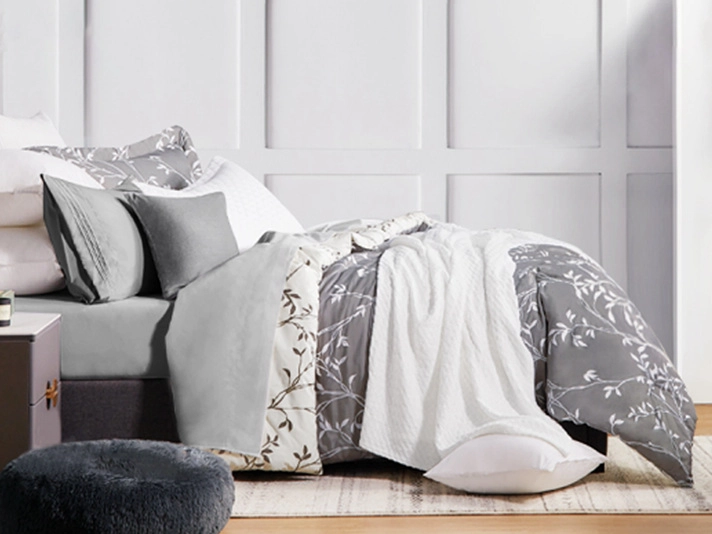
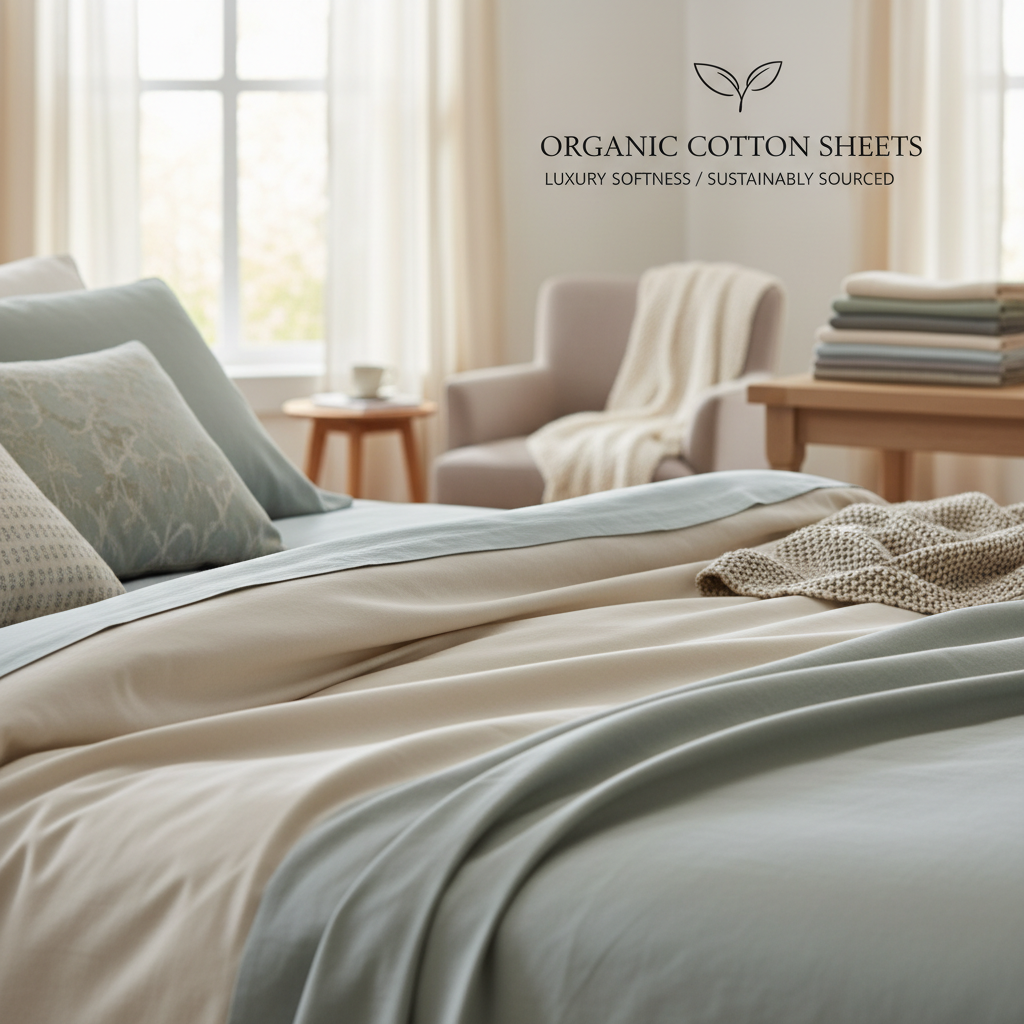
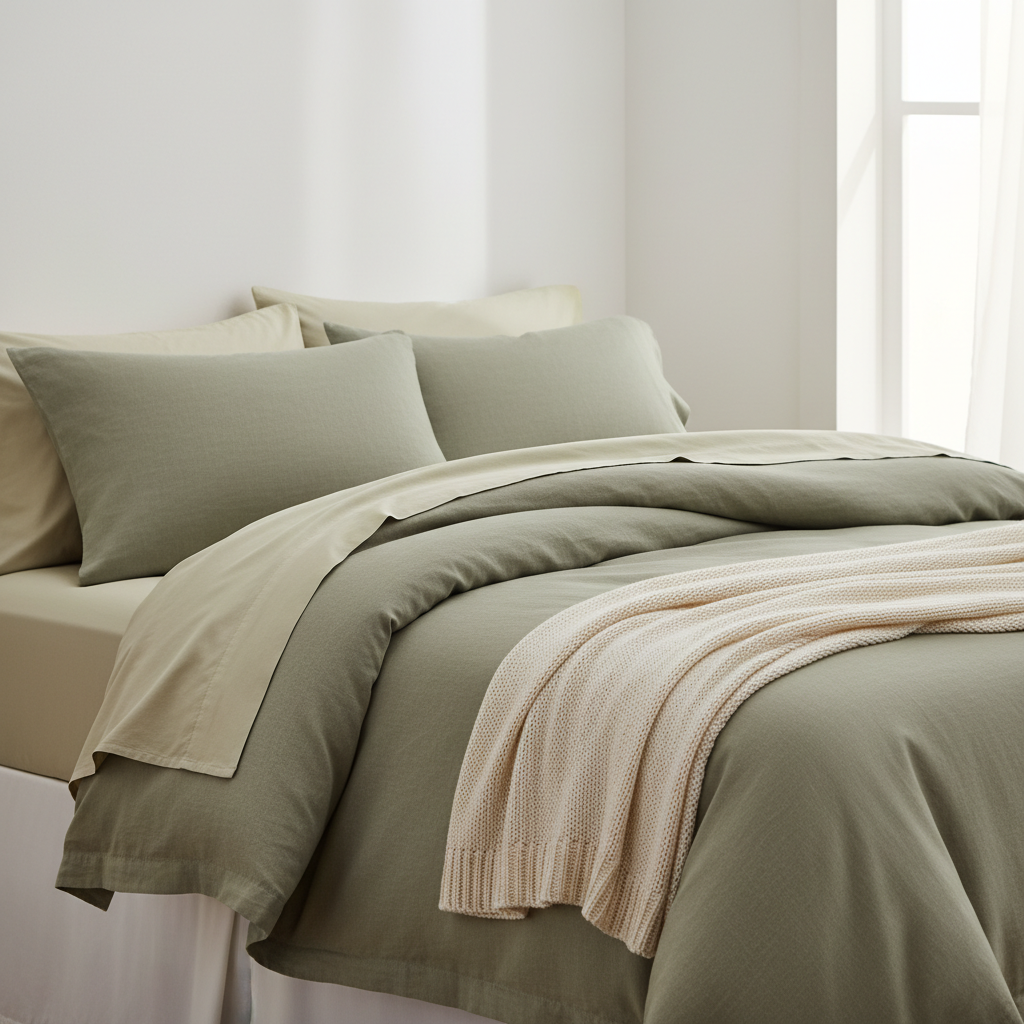
Selecting the right bedding is more than a matter of interior design; it is a fundamental decision regarding sleep hygiene and physical well-being. For decades, cotton bed sheets have remained the gold standard in the textile industry due to their unmatched breathability and hypoallergenic properties, making them essential for maintaining a healthy sleep environment across diverse climates.
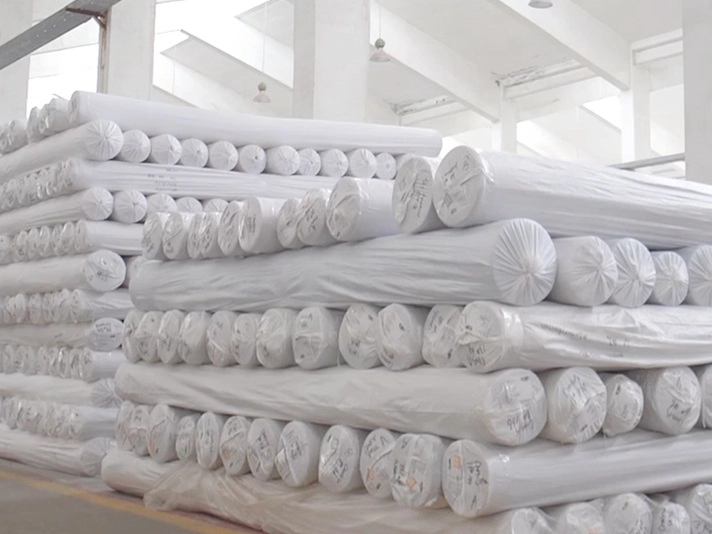
From a global manufacturing perspective, the production of high-quality cotton bedding involves a complex interplay of agricultural science and textile engineering. The shift toward sustainable farming and organic certifications has redefined how we perceive luxury, moving the focus from mere thread count to the ethical sourcing and longevity of the fibers used in every weave.
Understanding the nuances of weave types, such as percale and sateen, allows consumers and hospitality procurement managers to optimize for either crisp coolness or silky smoothness. By exploring the technical specifications of cotton bed sheets, one can achieve a precise balance between durability, comfort, and aesthetic appeal in any bedroom setting.
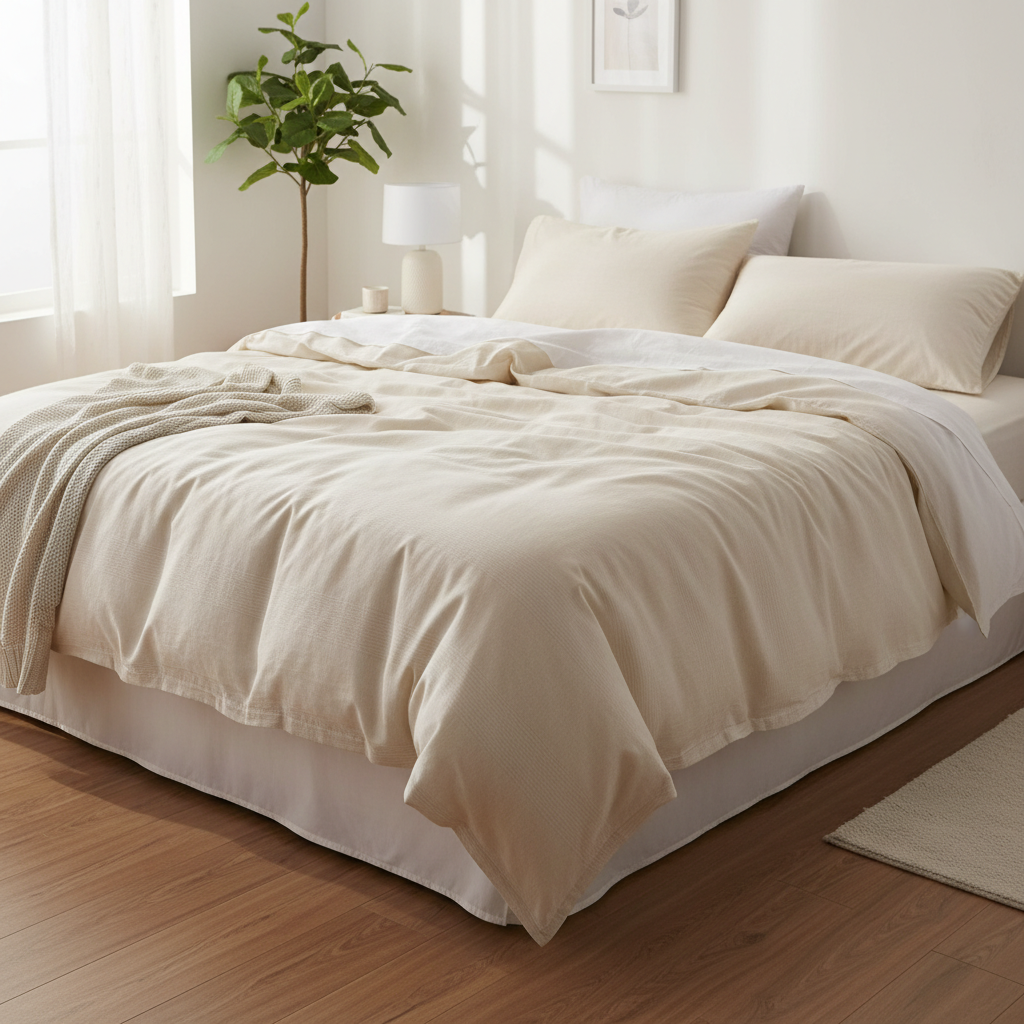
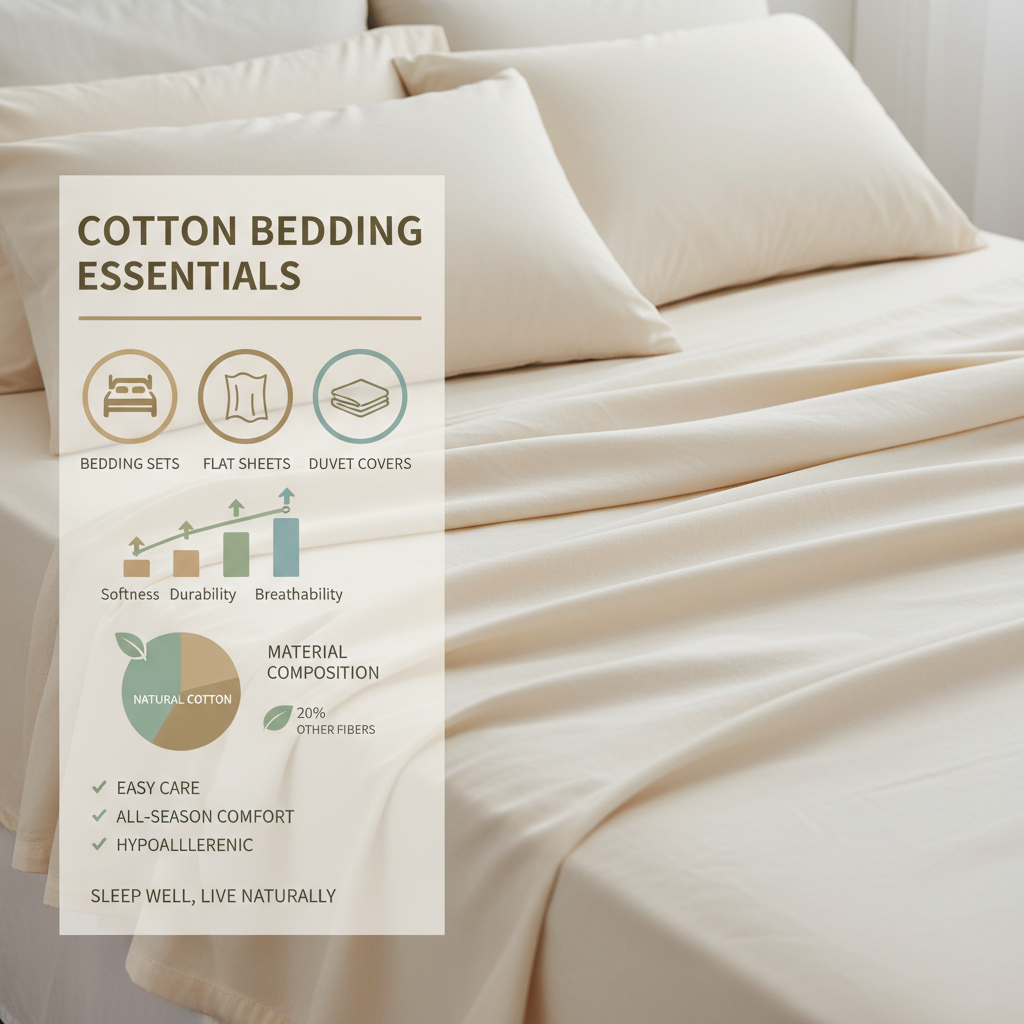
The global demand for cotton bed sheets is driven by an increasing awareness of sleep quality and the environmental impact of synthetic fabrics. According to textile industry reports, the preference for natural fibers has surged as consumers move away from polyester blends, seeking materials that offer better thermoregulation and a reduced carbon footprint.
In emerging economies, the industrialization of bedding manufacturing has standardized quality across regions, allowing for the mass production of long-staple cotton products. This shift has made premium sleep solutions accessible to a broader demographic, while simultaneously pushing manufacturers to adopt ISO-certified quality management systems to ensure consistency in fiber strength and dye fastness.
While marketing often pushes for 1000+ thread counts, the ideal range for most users is actually between 200 and 600. Beyond 600, the fabric can become too dense, reducing the natural breathability of the cotton. For a crisp feel, 200-400 percale is best; for a smoother, silkier feel, 300-600 sateen is ideal. The quality of the cotton fiber (staple length) is far more important than the number of threads.
The most reliable way is to check for certifications like Oeko-Tex or GOTS. You can also perform a "burn test" on a small thread: pure cotton will smell like burning paper and leave a fine grey ash. If it smells like burning plastic and melts into a hard bead, it contains polyester. Additionally, 100% cotton tends to wrinkle more than blends, which is a natural characteristic of the fiber.
Natural cotton fibers can shrink slightly if exposed to high heat during washing or drying. To minimize this, we recommend washing cotton bed sheets in cool or lukewarm water and using a low-heat tumble dry setting. High-quality manufacturers often "pre-shrink" their fabrics during the finishing process to reduce this effect, but following gentle care instructions is the best way to maintain the fit.
Percale is significantly better for hot sleepers. Its one-over-one weave creates a more open structure that allows air to flow more freely across the skin. Sateen, while softer, has a tighter weave that traps more heat. If you struggle with night sweats or live in a warm climate, a high-quality cotton percale will keep you cooler and drier throughout the night.
Depending on the quality and care, premium cotton bed sheets can last between 3 to 5 years. You should consider replacing them when you notice significant thinning of the fabric, persistent pilling that affects comfort, or if the elasticity of the fitted sheet has worn out. Proper laundering—avoiding bleach and excessive heat—can significantly extend their lifespan.
Yes, primarily in how they are grown. Organic cotton is produced without synthetic pesticides or GMOs, making it safer for the environment and the farmers. For the consumer, organic sheets are often better for those with extreme skin sensitivities or allergies, as they are free from the chemical residues sometimes found in conventionally grown cotton. In terms of feel, they are very similar to high-grade conventional cotton.
In summary, cotton bed sheets continue to dominate the bedding market because they offer a unique combination of breathability, durability, and hypoallergenic comfort that synthetic materials cannot replicate. From the technical precision of the percale and sateen weaves to the sustainable shift toward organic certifications, the evolution of cotton textiles reflects a broader commitment to both human health and environmental stewardship.
As we look toward the future, the integration of smart textile technology and circular recycling will only enhance the value of natural fibers. For those seeking to optimize their sleep quality or upgrade their hospitality offerings, investing in high-staple cotton remains the most reliable path to long-term comfort and luxury. We invite you to explore our professional textile solutions to find the perfect fit for your needs. Visit our website: www.longshowtextile.com

 Afrikaans
 Albanian
 Amharic
 Arabic
 Armenian
 Azerbaijani
 Basque
 Belarusian
 Bengali
 Bosnian
 Bulgarian
 Catalan
 Cebuano
 China
China
 Corsican
 Croatian
 Czech
Czech
 Danish
 Dutch
Dutch
 Esperanto
 Estonian
 Finnish
 French
 Frisian
 Galician
 Georgian
 German
 Greek
Greek
 Gujarati
 Haitian Creole
 Hausa
Hausa
 Hawaiian
 Hebrew
 Hindi
Hindi
 Miao
Miao
 Hungarian
 Icelandic
 Igbo
Igbo
 Indonesian
 Irish
Irish
 Italian
 Japanese
 Javanese
 Kannada
 Kazakh
 Khmer
Khmer
 Rwandese
 Korean
 Kurdish
 Kyrgyz
 Lao
Lao
 Latin
Latin
 Latvian
 Lithuanian
 Luxembourgish
 Macedonian
 Malgashi
 Malay
Malay
 Malayalam
 Maltese
 Maori
Maori
 Marathi
 Mongolian
 Myanmar
 Nepali
 Norwegian
 Norwegian
 Occitan
 Pashto
 Persian
 Polish
 Portuguese
 Punjabi
 Romanian
 Russian
 Samoan
 Scottish Gaelic
 Serbian
 Sesotho
 Shona
Shona
 Sindhi
 Sinhala
 Slovak
 Slovenian
 Somali
 Spanish
 Sundanese
 Swahili
 Swedish
 Tagalog
 Tajik
Tajik
 Tamil
Tamil
 Tatar
Tatar
 Telugu
 Thai
Thai
 Turkish
 Turkmen
 Ukrainian
 Urdu
Urdu
 Uighur
 Uzbek
Uzbek
 Vietnamese
 Welsh
Welsh
 Bantu
Bantu
 Yiddish
 Yoruba
 Zulu
Zulu
 English