




Jan.07, 2026 00:40
Back to list
Poly Cotton Fabric Bedsheet: Durable, Comfortable & Cost-Effective Textile Solutions

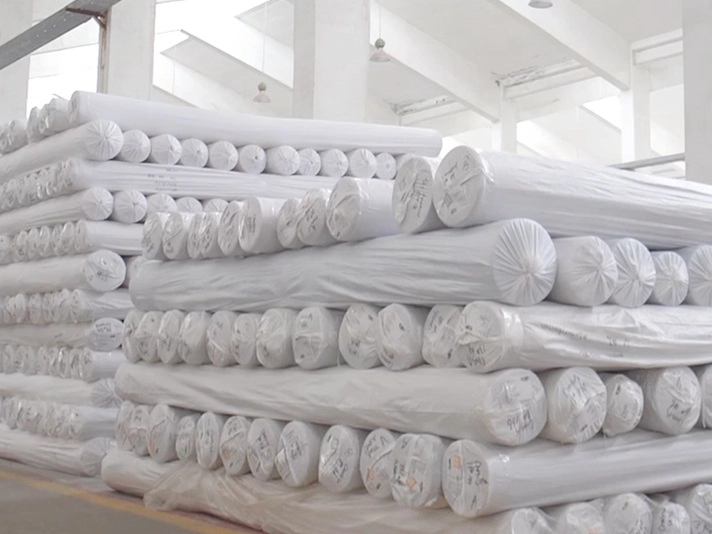
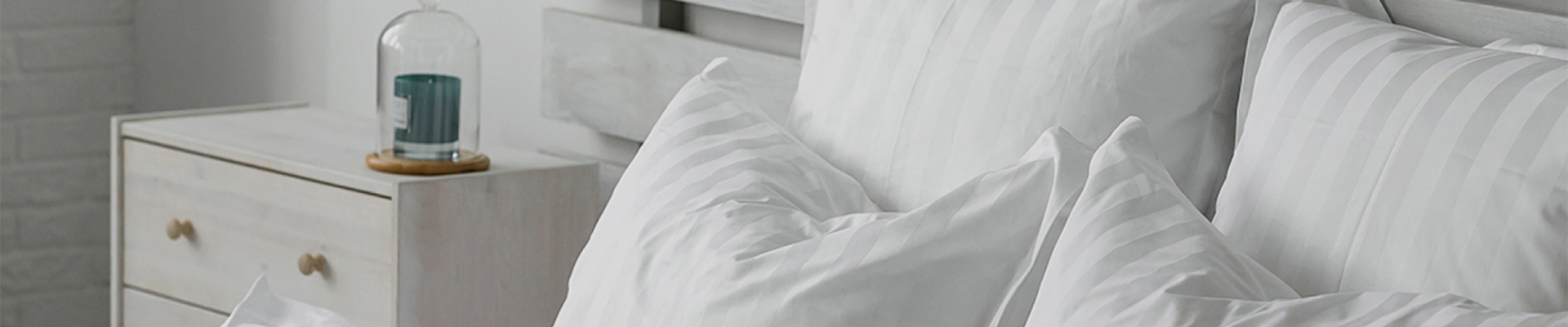
When we talk about Poly Cotton Fabric Bedsheet, we’re essentially referring to a hybrid textile that blends the softness and breathability of cotton with the durability and wrinkle-resistance of polyester. For B2B decision makers, especially in hospitality, healthcare, and institutional bedding providers, this means offering customers a product that balances comfort and longevity without the typical trade-offs.
Technically speaking, these bedsheets generally contain a 65% polyester to 35% cotton ratio — though variations like 50/50 exist to suit different needs. This blend undergoes precise weaving processes to achieve high thread counts, usually in the range of 180 to 300. For instance, Longshow Textile’s poly cotton bedsheets incorporate advanced yarn spinning and finishing techniques that create a smooth, durable fabric less prone to pilling or shrinkage. Oddly enough, many clients mention the fabric feels softer after multiple washes, which is somewhat counterintuitive for mixed textiles!
Benefits & Use Cases of Poly Cotton Fabric Bedsheet
Honestly, one of the biggest draws of poly cotton fabric bedsheets for business use is their versatility. They are sturdy yet comfortable enough for hotels, hospitals, and dormitories, all of which demand both aesthetics and hard-wearing function.
For example, in hotels, these bedsheets reduce issues like wrinkling and fading, keeping rooms looking sharp with minimal effort by housekeeping teams. Healthcare facilities love their resistance to frequent laundering with harsh chemicals. Moreover, these bedsheets provide a superior balance between moisture absorption and breathability, which is crucial for patient comfort.
Beyond function, poly cotton blends also allow customization in design and color fastness. Longshow Textile, for instance, offers a range of weaves and finishes that give partners flexibility in addressing market niches, from budget to premium. And there’s a distinct competitive edge here — this product blends the affordability of polyester with the natural appeal of cotton, which many suppliers simply don’t match.
Cost, Maintenance & User Experience
From a financial perspective, poly cotton fabric bedsheets represent smart investments in longevity and ease of care. Because these sheets resist wrinkles and shrink less, they cut down on replacement frequency. The total cost of ownership thus gets appealing — especially when factoring in laundry costs and labor time.
For instance, customers in the hotel industry have reported a significant drop in laundry damage rates, which saves recurring expenses. Plus, the fabric generally dries faster due to the polyester component, reducing energy costs during laundering cycles. These aspects, frankly, contribute to a stronger ROI.
User feedback also praises the comfort rating. It’s sort of that sweet spot where the poly cotton bedsheet feels breathable but doesn’t cling uncomfortably, which tends to happen with less breathable polyester alone. In real-world applications, that subtle balance makes all the difference in guest satisfaction and repeat business.
Sustainability & Market Trends
Sustainability concerns have nudged many companies toward choosing poly cotton blends that optimize resource use and environmental impact. Polyester content typically comes from recycled sources nowadays, which is a good story for corporate social responsibility reporting. Of course, cotton remains a natural fiber, but it carries its own environmental considerations, such as water use — meaning sourcing methods matter.
Regulation-wise, the textile industry is gradually tightening on chemical use and waste disposal; therefore, suppliers like Longshow Textile are investing more in eco-friendly dyes and energy-efficient production lines. Oddly enough, this aligns well with growing market demand for durable linens that reduce waste via extended product life cycles.
Frequently Asked Questions about Poly Cotton Fabric Bedsheet
- What is Poly Cotton Fabric Bedsheet and how does it work?
- Simply put, it’s a bedsheet made by blending polyester and cotton fibers. This combination leverages cotton’s softness and breathability with polyester’s strength and wrinkle resistance. The fabric is woven and finished to maintain shape and comfort during repeated use.
- What are the main benefits of using Poly Cotton Fabric Bedsheet in industrial applications?
- Key benefits include improved durability, easier maintenance, fewer wrinkles, and reduced shrinkage. These features translate to lower lifecycle costs and better user comfort – critical factors in hospitality and healthcare.
- How does Poly Cotton Fabric Bedsheet compare to traditional alternatives?
- Compared to 100% cotton or polyester sheets, poly cotton offers a balanced approach: it is softer and more breathable than polyester alone, yet more resilient and cost-effective than pure cotton — perfect for high-turnover institutional settings.
- What industries can benefit most from Poly Cotton Fabric Bedsheet implementation?
- Hospitality, healthcare, dormitories, and correctional facilities commonly use poly cotton bedsheets, valuing their durability, comfort, and maintenance ease. Each sector benefits by reducing operational hassles while maintaining service quality.
Latest news
-
How to Choose and Maintain an Extra Fluffy Duvet Insert for SleepNewsApr.16, 2026
-
How to Choose a Non Toxic Duvet Insert for Better Sleep HealthNewsApr.09, 2026
-
Choosing the Perfect Fluffy Down Alternative Comforter for a Restful Nights SleepNewsApr.07, 2026
-
Choosing the Best Hypoallergenic Duvet Insert for a Comfortable and Healthy SleepNewsApr.04, 2026
-
Choosing the Perfect Light Duvet Insert for a Restful Nights SleepNewsMar.31, 2026
-
Discover the Benefits of an Organic Down Alternative Comforter for Better SleepNewsMar.28, 2026
-
Discover the Perfect Thin Duvet Insert for a Restful Nights SleepNewsMar.26, 2026
 Afrikaans
 Albanian
 Amharic
 Arabic
 Armenian
 Azerbaijani
 Basque
 Belarusian
 Bengali
 Bosnian
 Bulgarian
 Catalan
 Cebuano
 China
China
 Corsican
 Croatian
 Czech
Czech
 Danish
 Dutch
Dutch
 Esperanto
 Estonian
 Finnish
 French
 Frisian
 Galician
 Georgian
 German
 Greek
Greek
 Gujarati
 Haitian Creole
 Hausa
Hausa
 Hawaiian
 Hebrew
 Hindi
Hindi
 Miao
Miao
 Hungarian
 Icelandic
 Igbo
Igbo
 Indonesian
 Irish
Irish
 Italian
 Japanese
 Javanese
 Kannada
 Kazakh
 Khmer
Khmer
 Rwandese
 Korean
 Kurdish
 Kyrgyz
 Lao
Lao
 Latin
Latin
 Latvian
 Lithuanian
 Luxembourgish
 Macedonian
 Malgashi
 Malay
Malay
 Malayalam
 Maltese
 Maori
Maori
 Marathi
 Mongolian
 Myanmar
 Nepali
 Norwegian
 Norwegian
 Occitan
 Pashto
 Persian
 Polish
 Portuguese
 Punjabi
 Romanian
 Russian
 Samoan
 Scottish Gaelic
 Serbian
 Sesotho
 Shona
Shona
 Sindhi
 Sinhala
 Slovak
 Slovenian
 Somali
 Spanish
 Sundanese
 Swahili
 Swedish
 Tagalog
 Tajik
Tajik
 Tamil
Tamil
 Tatar
Tatar
 Telugu
 Thai
Thai
 Turkish
 Turkmen
 Ukrainian
 Urdu
Urdu
 Uighur
 Uzbek
Uzbek
 Vietnamese
 Welsh
Welsh
 Bantu
Bantu
 Yiddish
 Yoruba
 Zulu
Zulu
 English